Flexible EV finance is available through lenders like UDC and Heartland, offering tailored loan
options to suit your budget. Whether you’re upgrading or switching to electric, we’ll help you find a simple, flexible finance solution that works for you.
Frequently asked questions
How far can an electric vehicle go on full charge?
Most modern EVs offer between 300–500km of range, depending on the model and driving conditions.
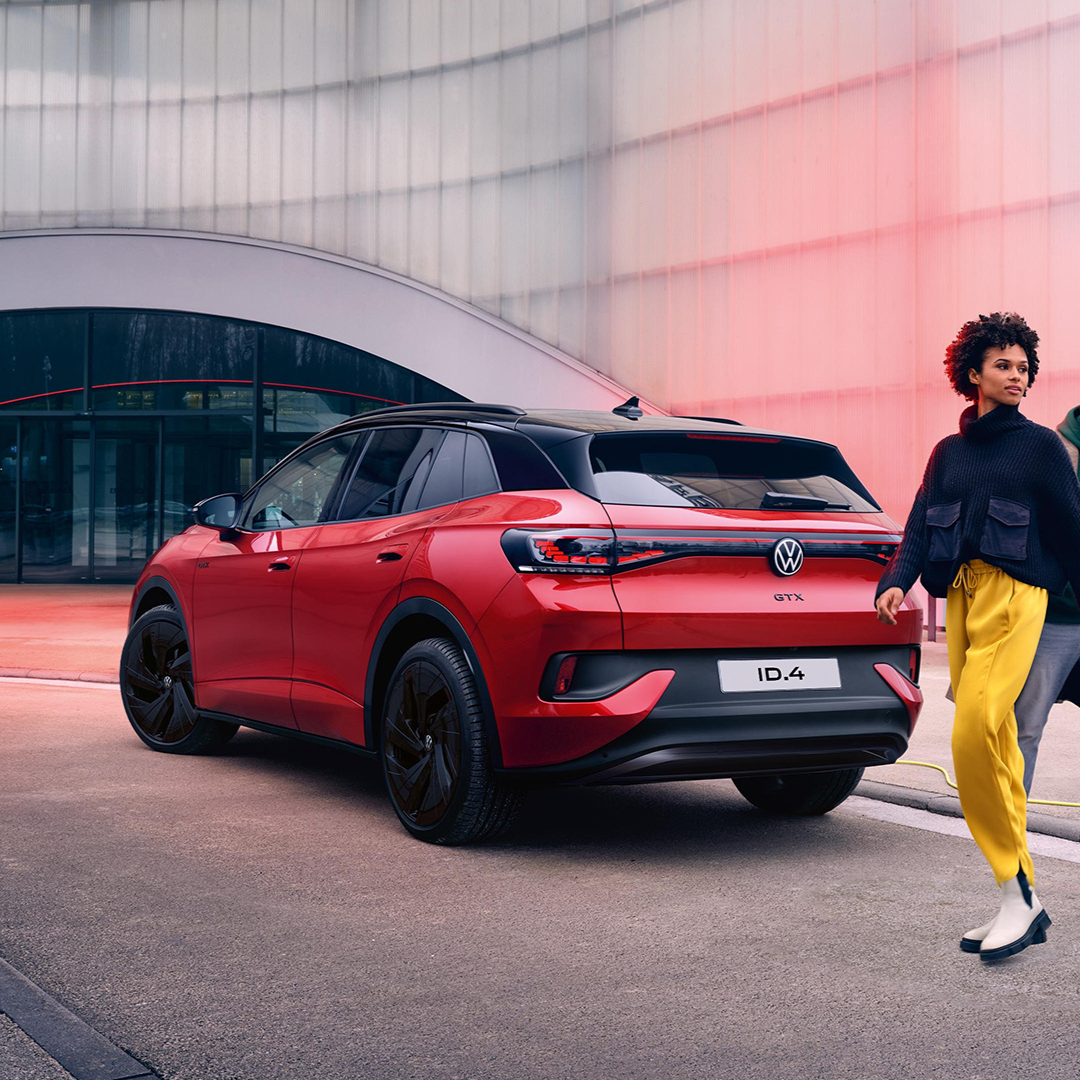
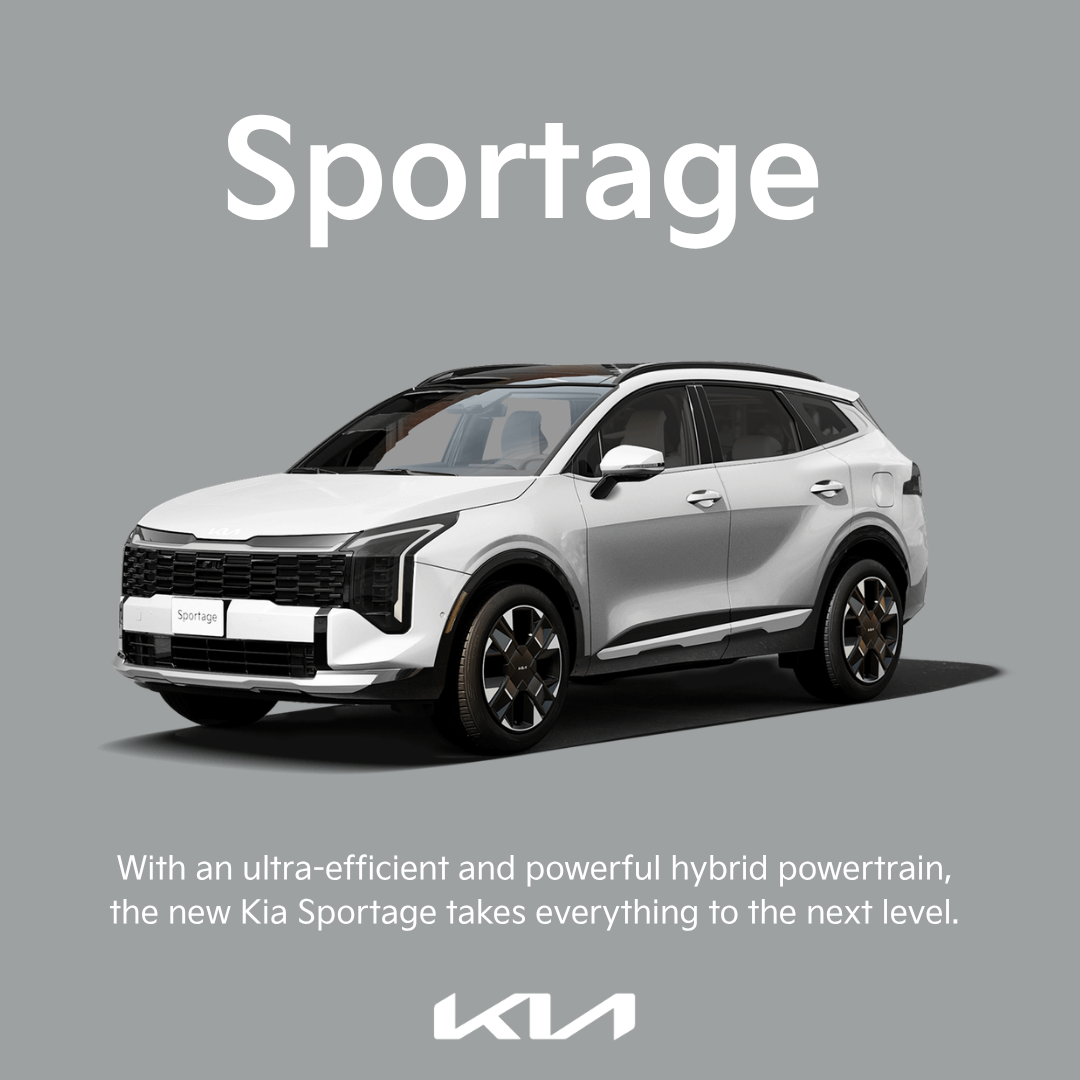
Vehicles like the Kia EV range and Volkswagen ID models are designed to comfortably handle daily driving, commuting, and even longer trips across the Top of the South.
How do I charge an electric vehicle at home?
Charging at home is simple. You can:
Plug into a standard wall socket (slower overnight charge), or
Install a home wall charger for faster charging
We can help guide you on the best setup for your home.
How long does it take to charge an EV?
Charging time depends on the charger:
Home wall charger: 6–8 hours (overnight)
Public fast charger: 20–40 minutes to 80%
Most EV owners charge overnight, just like charging a phone.
Are electric vehicles cheaper to run?
Yes — EVs are significantly cheaper to run:
Lower “fuel” costs (electricity vs petrol/diesel)
Fewer moving parts = lower servicing costs
Reduced maintenance (no oil changes, fewer wear components)